Underground Routing Without Surface Excavation
Direct Bury Directional Drilling in Willow River for utility installations beneath roads and developed infrastructure
Telecommunications and utility projects often require routing infrastructure beneath paved roads, driveways, waterways, or areas where surface excavation would disrupt traffic, damage landscaping, or require costly restoration work. Buckshot Construction LLC performs directional drilling for fiber optic cable, conduit systems, and underground utilities throughout Willow River and the greater Minnesota region, using controlled drilling methods that create subsurface pathways without removing pavement or disturbing surface features. The drilling process allows utilities to cross obstacles and reach installation endpoints that cannot be accessed efficiently using traditional trenching or direct bury plowing methods.
Directional drilling begins with a pilot hole bored along a predetermined pathway using a steerable drill head that operators control remotely to adjust depth and direction as the bore progresses. Once the pilot hole reaches the exit point, a reamer attachment enlarges the pathway to accommodate the utility being installed, and the cable or conduit is pulled back through the bore hole in a single operation.
Schedule an on-site consultation to assess directional drilling requirements for utility crossings or installations beneath developed areas.
Why Controlled Drilling Works for Complex Pathways
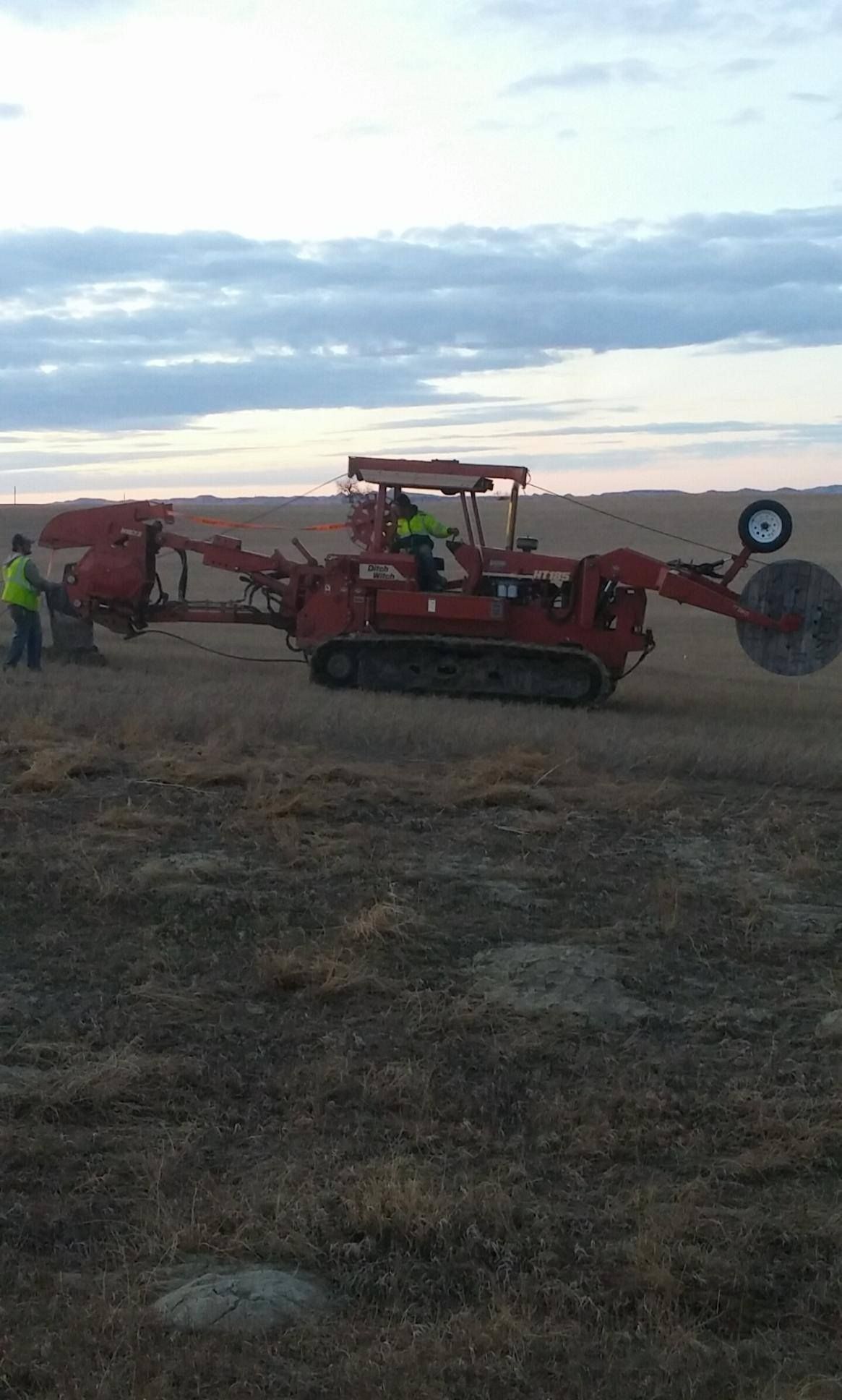
The drilling process uses locating equipment to track the drill head position in real time, allowing operators to adjust the bore path to avoid existing underground utilities, maintain required depth clearances, and reach the exit point accurately without surfacing prematurely or drilling off course. This precision matters when routing utilities beneath roads where the bore must pass below pavement subbase layers and existing infrastructure without creating voids that could cause pavement settling or service interruptions. Drilling fluid lubricates the bore hole and removes cuttings as the drill advances, which reduces friction during cable pull-back and stabilizes the pathway until installation is complete.
After drilling is finished, the utility is positioned underground without requiring road closure, surface restoration, or traffic interruption, and the entry and exit points are backfilled to restore surface conditions. The bore pathway remains open for future utility additions if conduit is installed rather than direct cable placement, which simplifies network expansion or service upgrades without requiring additional drilling. Installation timelines are shorter than open-cut methods that require excavation permits, traffic control, pavement removal, and restoration work that can extend project schedules by weeks.
The method is selected based on crossing distance, soil conditions, and the need to maintain surface access during construction, with typical bores ranging from short driveway crossings to longer road or railroad crossings that span several hundred feet. Projects in developed areas benefit from reduced disruption and faster completion, while rural installations use directional drilling selectively where obstacles prevent continuous plowing or trenching.
What Property Owners Usually Ask
Directional drilling handles complex utility routing, and the process varies based on crossing distance, depth requirements, and surface conditions at the project site.
How does directional drilling avoid damaging existing utilities during installation?
Utility locating services mark existing underground infrastructure before drilling begins, and the drill path is planned to maintain safe separation distances from water, gas, electric, and telecommunications lines already in place.
What surface area is needed for directional drilling equipment?
Entry and exit pits are typically a few feet wide to accommodate drilling equipment setup and cable pull-back operations, which is significantly smaller than the excavation required for open-cut trenching across the same distance.
Why is directional drilling used instead of open trenching beneath roads?
Drilling eliminates the need for road closure, pavement removal, and surface restoration, which reduces project costs and avoids traffic disruption that would otherwise require detour routing and extended construction timelines in Willow River and surrounding communities.
What installation depth is used for utility bore pathways?
Bore depth is calculated to position utilities below the frost line and existing infrastructure, typically ranging from 4 to 8 feet depending on crossing requirements and the need to avoid conflicts with other underground systems.
How long does directional drilling take compared to traditional excavation?
Drilling completes most crossings in a single day, while open-cut methods require excavation, utility placement, backfilling, compaction, and pavement restoration that can extend the same crossing to a week or longer depending on restoration requirements.
Buckshot Construction LLC coordinates directional drilling services for telecommunications, commercial, and utility infrastructure projects across Minnesota and the Midwest, with equipment and expertise suited for crossing distances and soil conditions common throughout the region. Contact us to discuss pathway planning and installation scheduling for your next underground utility project.