Infrastructure Built to Support Long-Term Connectivity
Underground Utilities Installation in Willow River for telecommunications infrastructure and broadband expansion projects
Telecommunications infrastructure expansion throughout the Midwest depends on underground utility systems that remain functional for decades without requiring frequent repairs or replacement. Buckshot Construction LLC handles underground utilities installation for fiber optic systems, conduit pathways, and infrastructure projects across rural, commercial, and developing environments in Willow River and the greater Minnesota region. The installation process accounts for soil conditions, frost depth requirements, and utility coordination to maintain project timelines while reducing disruption to surrounding properties.
Underground utility installation positions telecommunications cables, fiber optic lines, and conduit systems below the frost line to prevent seasonal ground movement from damaging infrastructure. The work involves coordination with utility providers, contractors, and project managers to verify pathway routing, avoid conflicts with existing infrastructure, and maintain access for future maintenance or expansion. Installation methods are selected based on project site conditions, distance requirements, and the need to minimize surface disruption during construction.
Schedule a project discussion to review site conditions and installation requirements for your telecommunications infrastructure.
What Proper Underground Placement Requires
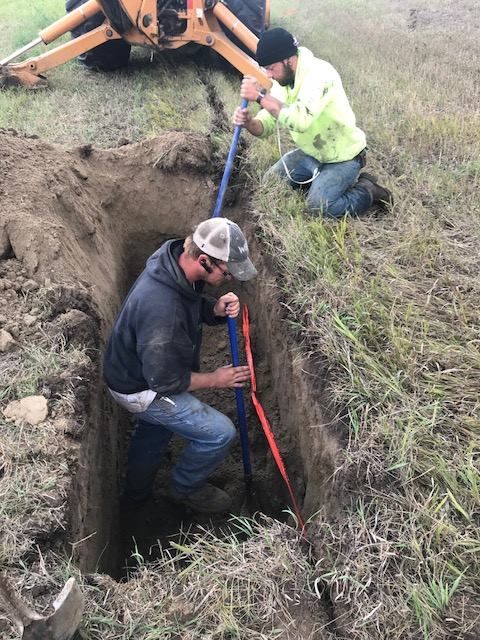
Underground utility installation begins with pathway verification and utility locating to confirm routing avoids conflicts with water lines, gas services, electric systems, and existing telecommunications infrastructure. Placement depth is calculated based on local frost line requirements and the type of utility system being installed, with fiber optic utilities typically placed between 30 and 48 inches below grade depending on terrain and regional frost penetration depth. Installation methods vary between direct bury plowing for long rural runs and directional drilling for areas where surface disruption must be minimized or existing infrastructure must be crossed without excavation.
Once installation is complete, you'll notice reduced risk of service interruption caused by surface damage, lawn equipment contact, or seasonal ground movement that affects shallow utility placement. Buckshot Construction LLC coordinates backfilling and surface restoration to return properties to usable condition quickly, allowing project timelines to proceed without extended delays. Properly installed underground utilities remain protected from weather exposure, physical impact, and temperature fluctuations that degrade above-ground systems over time.
The installation process includes documentation of as-built routing and depth measurements, which utility providers and property owners use for future maintenance planning or infrastructure expansion. Projects in developing areas often involve staging installation to coordinate with other construction activities, while rural installations may require equipment mobilization across longer distances to reach project sites efficiently.
What Contractors Ask About Underground Utility Work
Underground utility projects involve coordination across multiple trades and timelines, and installation methods vary based on site conditions and infrastructure requirements throughout the Midwest region.
What installation method works best for long rural fiber optic runs?
Direct bury plowing handles continuous long-distance installations efficiently across open terrain, while directional drilling is used where surface disruption must be avoided or existing infrastructure requires crossing without excavation.
How does frost depth in Minnesota affect installation planning?
Utilities in Minnesota are typically placed below the frost line, which ranges from 42 to 60 inches depending on the specific location within the state, to prevent frost heave from damaging cables or creating service interruptions during freeze-thaw cycles.
What happens when underground utilities cross existing infrastructure?
Directional drilling routes the new utility pathway beneath roads, driveways, or existing utility lines without requiring excavation or surface removal, which reduces project disruption and maintains access during construction.
How is pathway routing verified before installation begins?
Utility locating services mark existing underground infrastructure, and the installation pathway is adjusted to maintain required separation distances and avoid conflicts that could cause service interruptions or require costly rerouting later.
What documentation is provided after installation?
As-built drawings document the final utility routing, installation depth, and location markers, which contractors and utility providers use to plan future maintenance, coordinate expansion projects, or respond to service issues efficiently.
Buckshot Construction LLC coordinates underground utilities installation for telecommunications and infrastructure projects across Minnesota, North Dakota, South Dakota, and Iowa, with experience managing rural broadband expansion and commercial development utility requirements. Request a service estimate to discuss project scope, site conditions, and installation scheduling for your upcoming infrastructure work.